

The Yẽgatu Digital started in July of 2025 with the installation of the digital classrooms in the Baré communities of Juruti and Tabocal dos Pereira, São Gabriel da Cachoeira, Amazon. The equipment was donated by a private donor which preferred to remain anonymous. After the deployment of the digital classrooms, a program of three weekly hybryd workshops with students from the local schools started in August of 2025. The goal of this program is to promote the use of the Yẽgatu language in digital contexts such as social networks and during school writing and reading classes, with the support of digital tools and writing assistants.
Acquiring, configuring, and deploying the digital classrooms
The digital classrooms were designed to provide full digital schools capabitilies to the two communities and not to impose extra loads into the communities already limited Internet access systems and electric grid. Each digital classroom comprises: 20 Wi-Fi tablets with protective covers, keyboards and pens; 1 monitor 40'' for video conferencing; 1 camera for video conferencing; 1 notebook for video-conferencing, data access, and teacher demonstrations, connected to the monitor and camera; 1 notebook to be used by teachers for lesson preparation; 1 Starlink satellite internet system; 1 solar kit, with panel and battery (250W); and all supporting equipment.
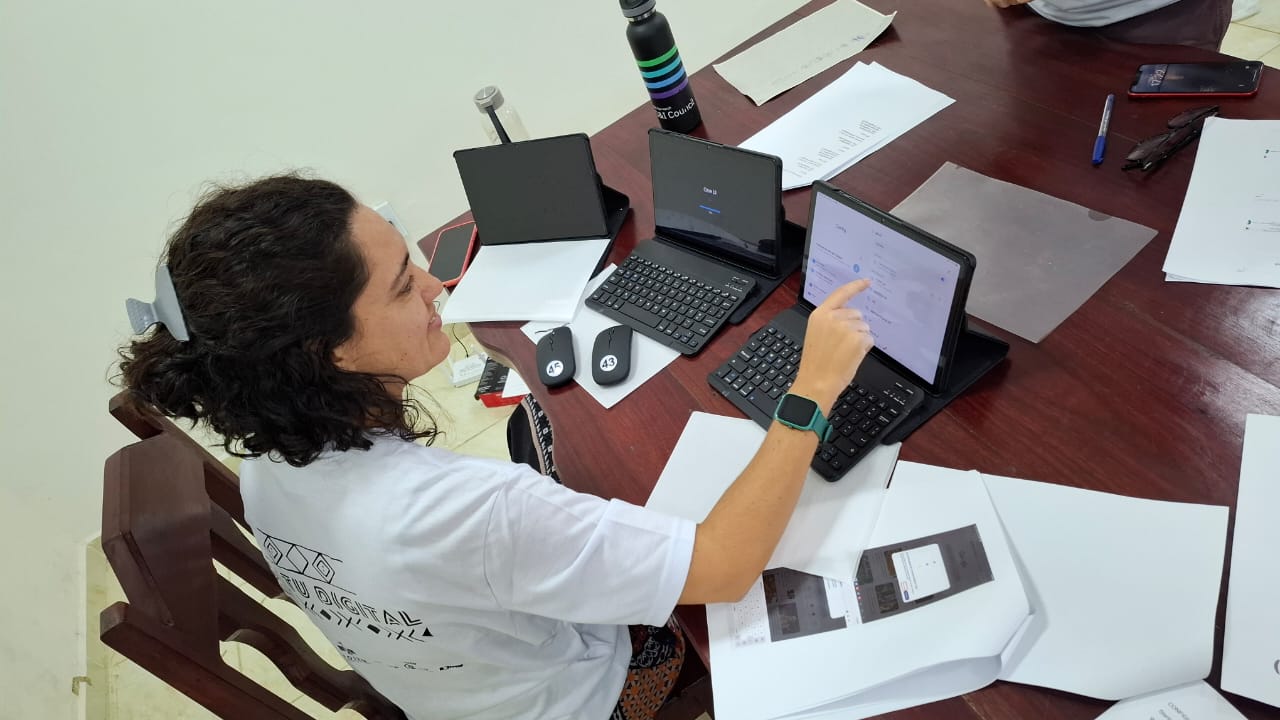
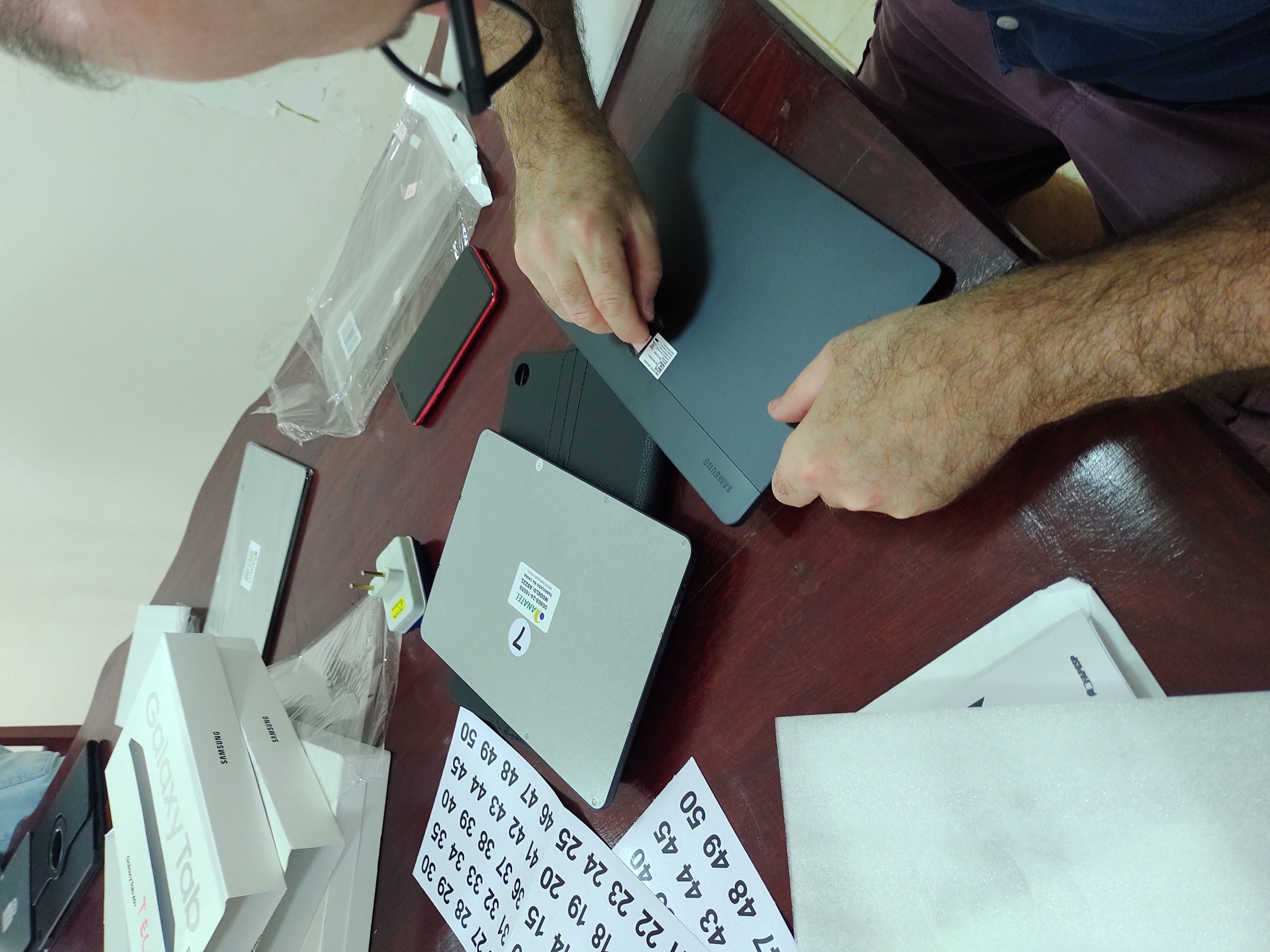
The equipments were acquired through multiple channels, costing about US$8,500 for each classroom. The devices had to be updated, configured, and assembled by the team in São Gabriel da Cachoeira prior to the deployment. From July 7th to July 11th, 2025, the team went to the communities and performed the installation, configuration, and testing, in both communities, with the support and help from the members of the communities.
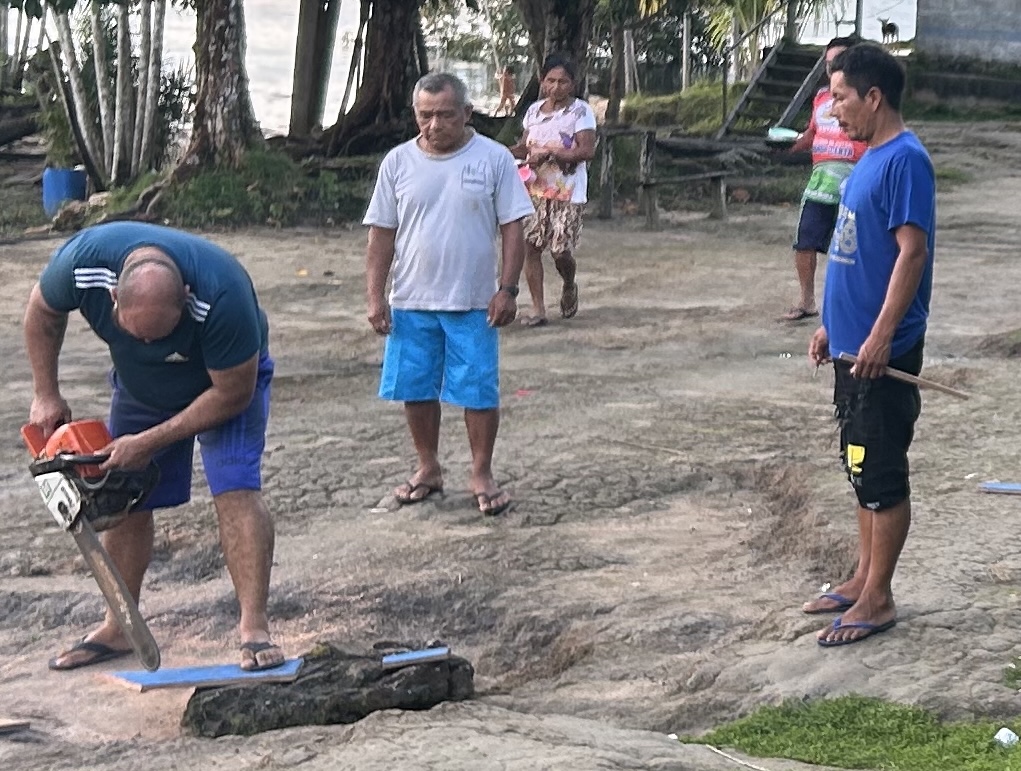
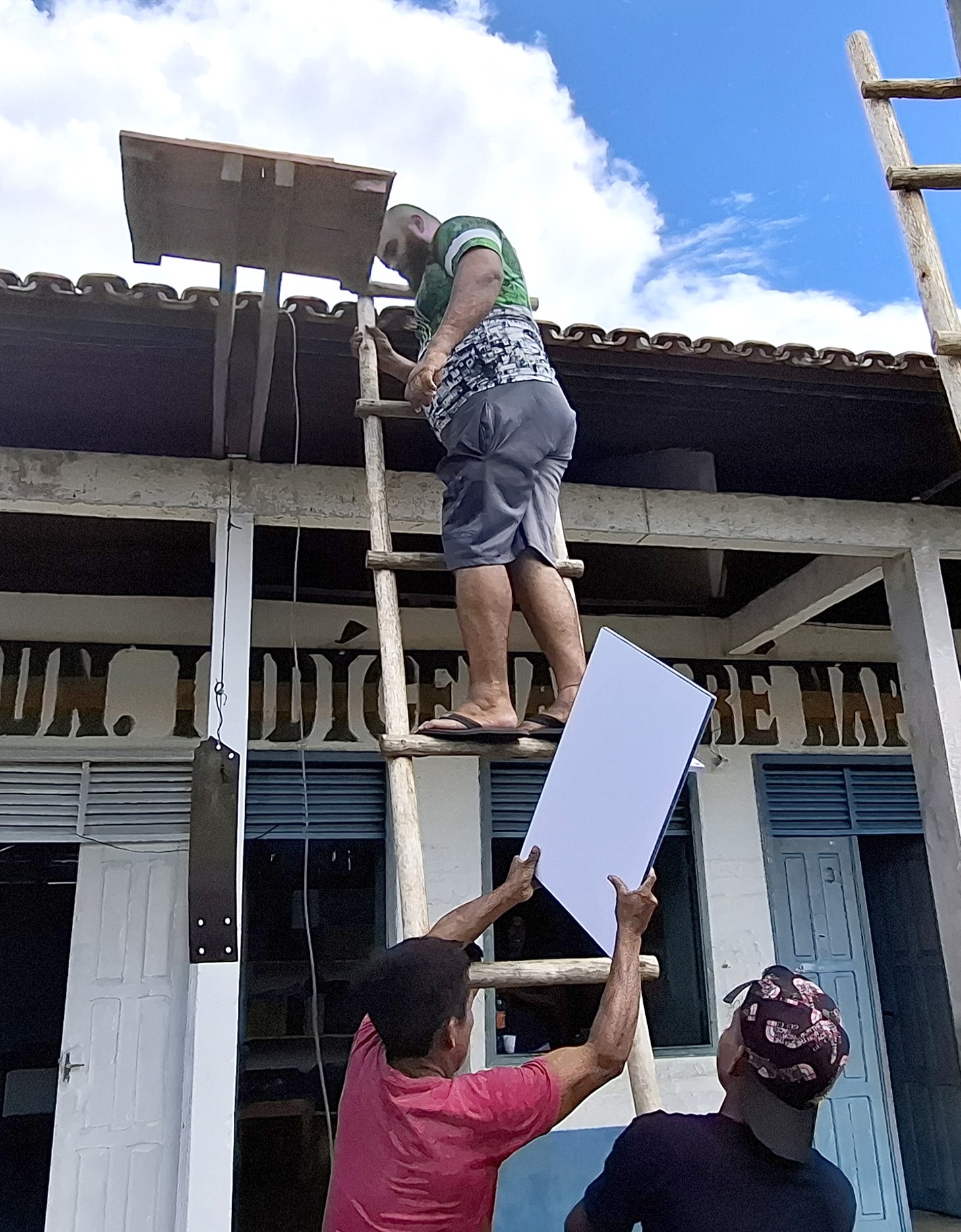
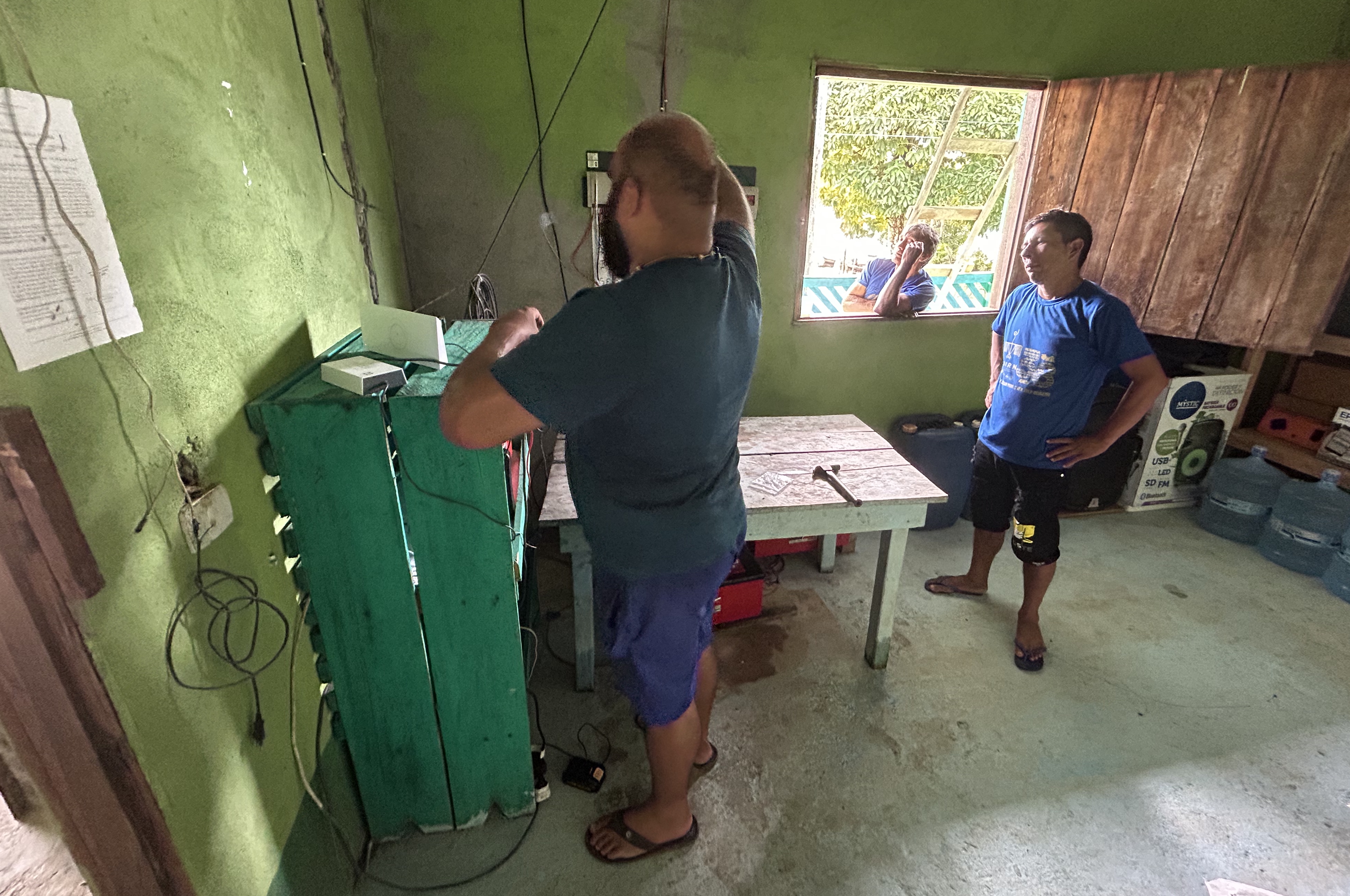
On July 9, 2025, the digital room of the Yẽgatu Digital project was inaugurated in the community of Tabocal dos Pereira. The installation was attended by Captain Edimilson and Professor Reinaldo Gregório, who accompanied the organization of the space and the positioning of the equipment. The USP/IBM team responsible for the implementation was on site to make the final adjustments and verify the operation of tablets, computers and connection. With the inauguration, Tabocal dos Pereira becomes one of the pilot communities of the project, alongside Juruti, in the implementation of digital rooms adapted to the local reality. The room is operated and maintained by a community member, trained by the staff, and with financial support from C4AI.
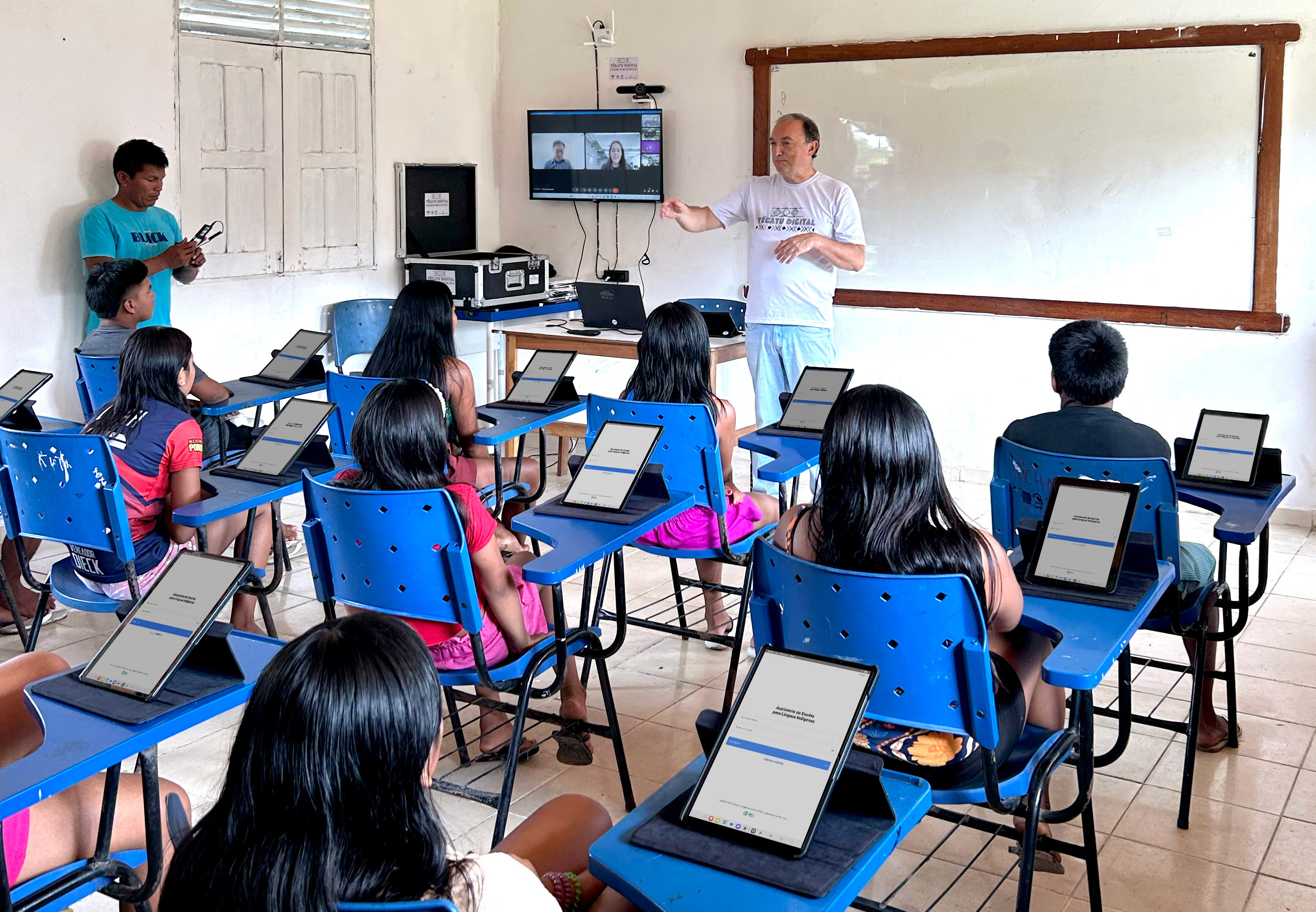
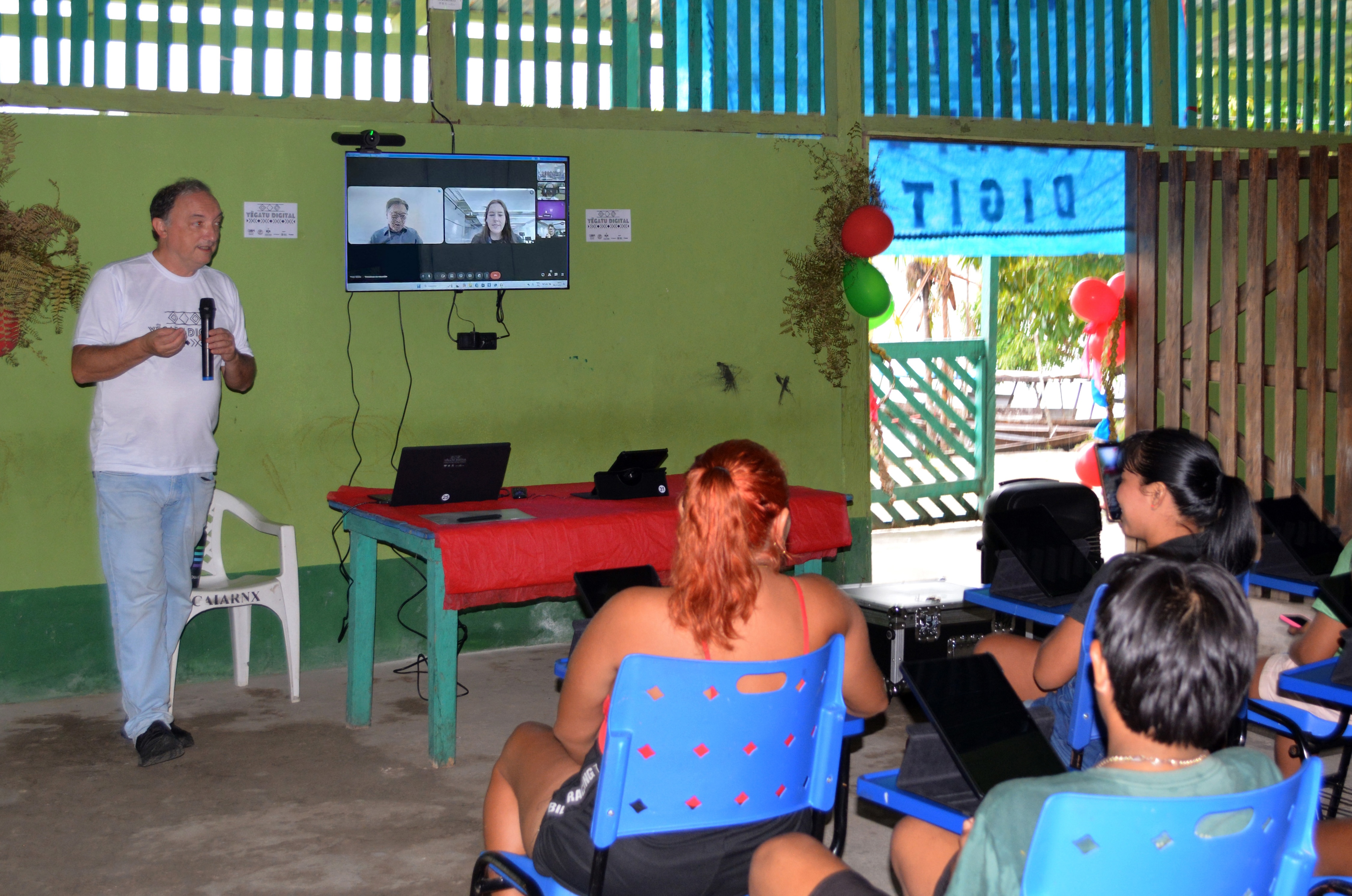
On July 10, 2025, the digital room of the Yẽgatu Digital project was inaugurated in the community of Juruti. The installation was attended by Captain Juscilene, CAIBARNX coordinator Miguel Alemão, and teachers from the local school and members of the community who helped set up the space. Like in Tabocal, the digital classroom is operated and maintained by a community member, trained by the staff, and with financial support from C4AI.
Weekly hybrid workshops with students to foster the digital use of Yẽgatu
The digital classrooms were equipped to support the Yẽgatu Digital workshops in a hybrid format, allowing integration between Indigenous teachers and researchers. The objective is to offer an infrastructure which facilitates pedagogical work with the Yẽgatu language, ensuring resources for writing, reading and production of digital content. The digital tools and writing assistants developed by IBM Research are part of the affordances of the digital platform, and in the process will be evaluated and improved as part of a process of co-designing and co-devolopment with teachers and students.
The digital classrooms started to be used in August 2025. Initially there are three weekly 90-minute workshops, one with upper middle school students from Juruti (about 20 students), one with middle school students from Tabocal (about 30 students, sharing tablets), and one with high school students from Tabocal (about 60 students). Given the interest from the students, the high school workshop rotates each week to attend one of three groups of students.
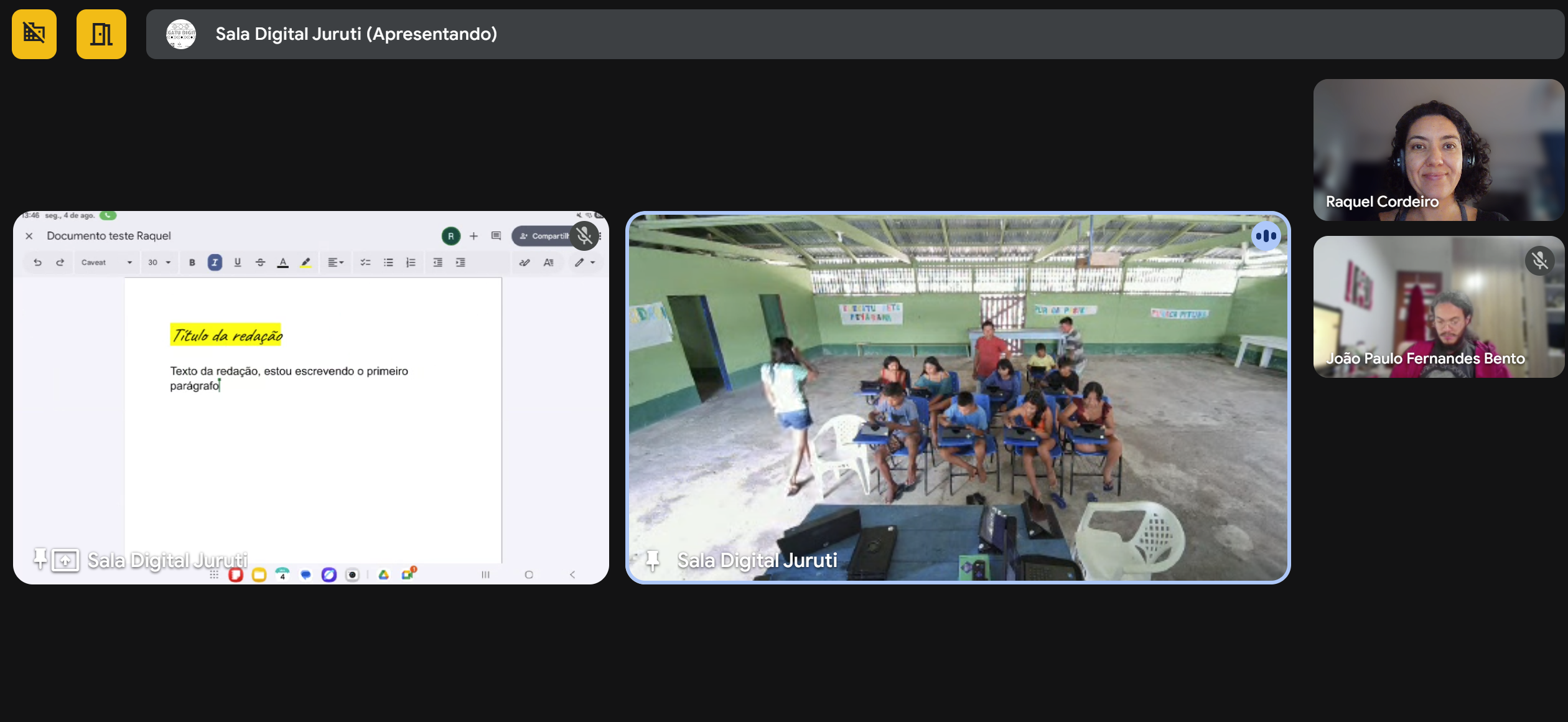
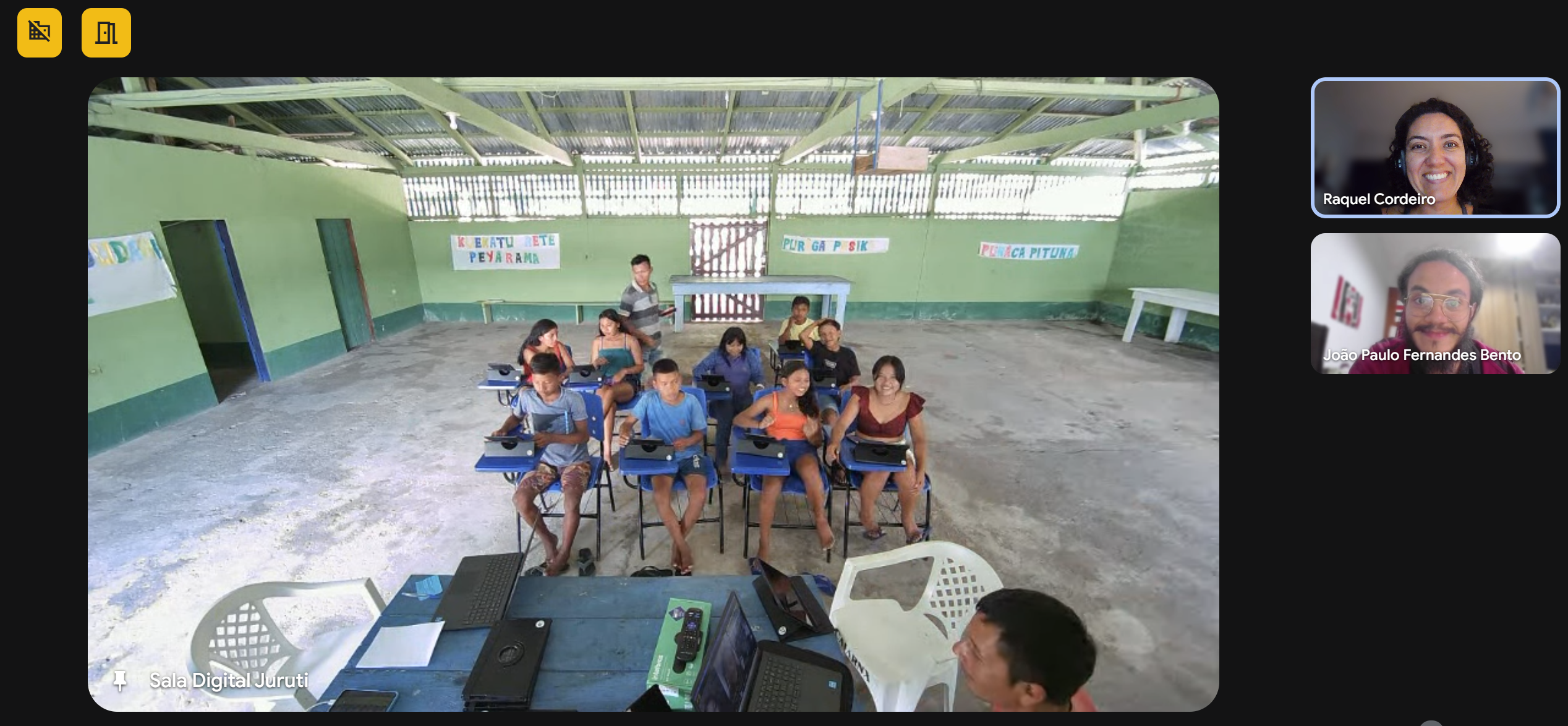
Both community schools are experiencing, for the first time, a digital environment and a web-conferencing platform for classes. Therefore, the first month of the program is devoted to train both students and teachers to study and work in this new environment, inclusing some basic IT training. In the process, the team is identifying and addressing technical issues of the platform, as well as developing protocols to assure that the resources are used wisely and reliably. An initial evaluation of the program is scheduled to be performed around October and a final evaluation and report to be done by December, 2025.
The digital classrooms have also begun to be used for distance learning, to provide the communities with knowledge and training in areas where local teaching expertise is not available. For this, the communities are partnering directly with course providers which can be used the platform freely except for paying for the services of the local staff.